
Code Signing
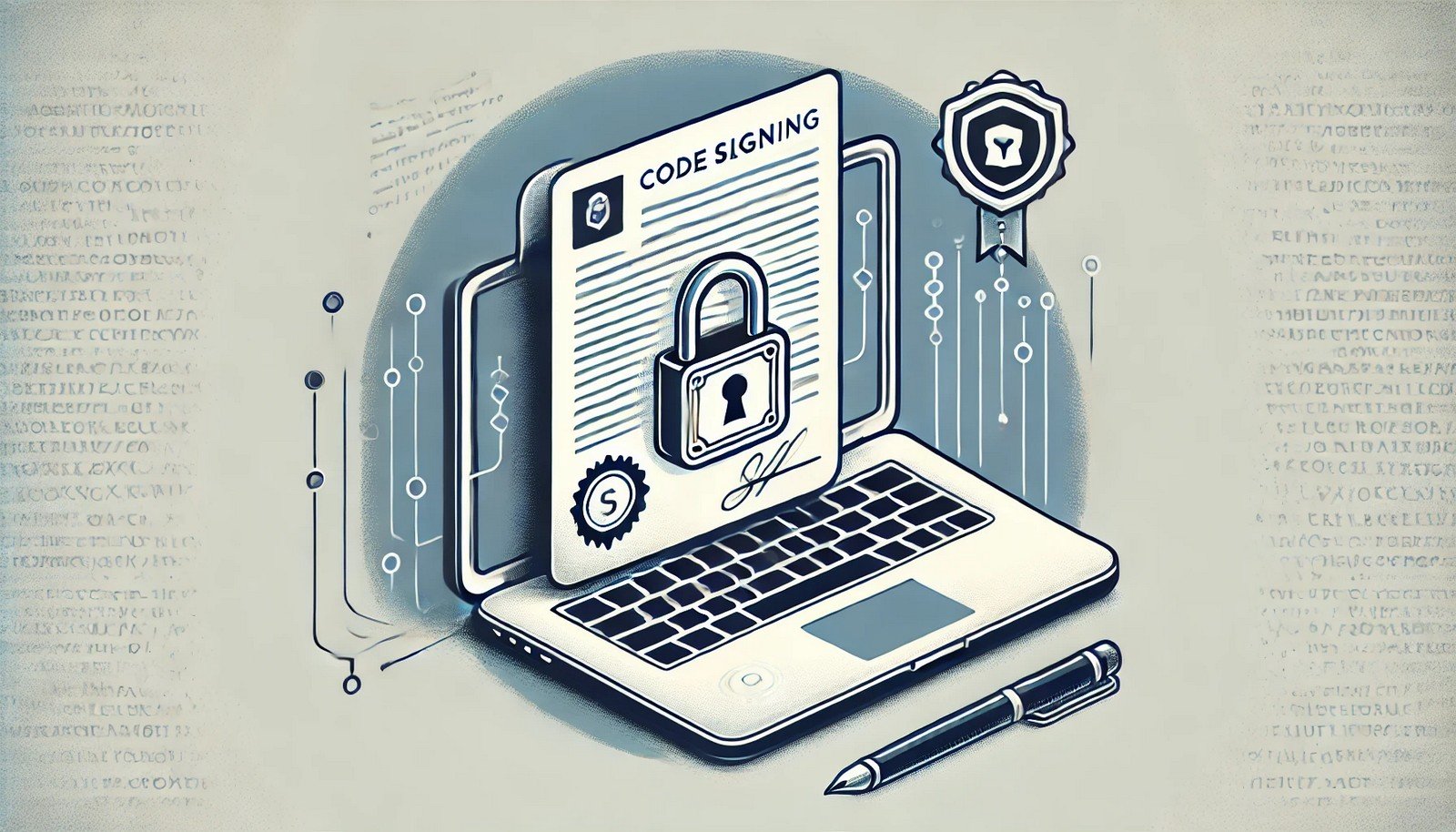 (Representational Image | Source: Dall-E)
Quick Navigation:
- Code Signing Definition
- Code Signing Explained Easy
- Code Signing Origin
- Code Signing Etymology
- Code Signing Usage Trends
- Code Signing Usage
- Code Signing Examples in Context
- Code Signing FAQ
- Code Signing Related Words
Code Signing Definition
Code signing is a cryptographic process used to verify the authenticity and integrity of software, scripts, and executables. By applying a digital signature, developers ensure their software has not been altered or tampered with. Code signing is widely used in operating systems, mobile applications, and software distribution platforms to prevent malware and unauthorized modifications.
Code Signing Explained Easy
Imagine you're getting a letter from your teacher. If it has their signature, you know it really came from them and wasn’t changed. Code signing is like that for computer programs—it puts a digital "signature" on software so your computer knows it’s safe.
Code Signing Origin
Code signing emerged in the 1990s as a response to security threats in software distribution. With the rise of the internet, developers needed a way to prove their software was legitimate. Microsoft and Apple pioneered code-signing solutions.
Code Signing Etymology
The term "code signing" derives from cryptographic signing, where a digital signature verifies authenticity.
Code Signing Usage Trends
With increasing cyber threats, code signing has become essential in software security. It is required for distributing software on platforms like the Apple App Store and Google Play. Modern OSs enforce strict code-signing policies, and Extended Validation (EV) certificates are increasingly used for added security.
Code Signing Usage
- Formal/Technical Tagging:
- Cybersecurity
- Software Development
- Digital Certificates - Typical Collocations:
- "Code signing certificate"
- "Digitally signed software"
- "Verify software authenticity"
- "Prevent unauthorized code modification"
Code Signing Examples in Context
- A developer digitally signs a mobile app before submitting it to the App Store.
- Windows enforces driver signing to prevent unverified software access.
- Organizations use code signing to ensure internal software integrity.
Code Signing FAQ
- What is code signing?
A security technique ensuring software integrity and authenticity through digital signatures. - Why is code signing important?
It prevents tampering, verifies developer identity, and protects users from malware. - Who issues code signing certificates?
Certificate Authorities (CAs) such as DigiCert and GlobalSign. - How does code signing work?
A developer uses a private key to sign code, verified using a public key. - What happens if a code signature is invalid?
The OS may block the software from running. - Can a signed code be altered?
No, modifying signed code invalidates the signature. - Is code signing required for all software?
Not mandatory but essential for distributing on major platforms. - What is the difference between regular and EV code signing?
EV signing requires stricter identity verification. - Can code signing prevent malware?
It verifies authenticity but does not detect malware. - Do open-source projects use code signing?
Some do, but it's not always standard.
Code Signing Related Words
- Categories/Topics:
- Cybersecurity
- Software Distribution
- Digital Identity
Did you know?
In 2012, hackers compromised Adobe’s code signing infrastructure, signing malware with valid certificates. This led to stricter security measures in the industry.
PicDictionary.com is an online dictionary in pictures. If you have questions or suggestions, please reach out to us on WhatsApp or Twitter.Authors | Arjun Vishnu | @ArjunAndVishnu

I am Vishnu. I like AI, Linux, Single Board Computers, and Cloud Computing. I create the web & video content, and I also write for popular websites.
My younger brother, Arjun handles image & video editing. Together, we run a YouTube Channel that's focused on reviewing gadgets and explaining technology.




Comments powered by CComment